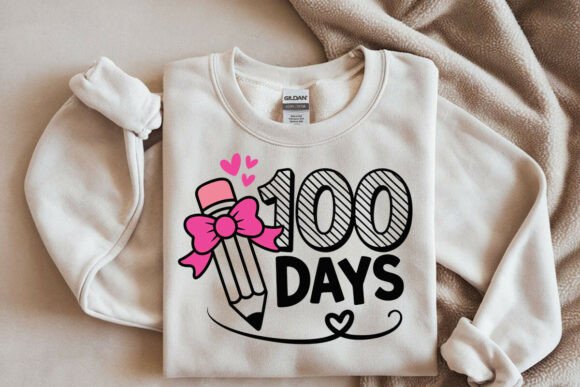
A 100th Day Design That Embroiders Well
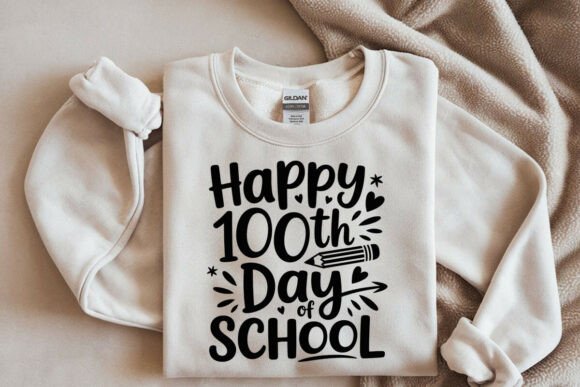
When I first opened the zip file for this 100 Days of School SVG bundle, I immediately saw its potential. It’s not just a digital graphic; it’s a blueprint for a cheerful, celebratory embroidery project. The mood it creates is unmistakably positive and playful, perfect for commemorating that big milestone in a school year. The typography and layout feel crisp and clean, with a visual personality that leans friendly rather than overly ornate. This isn’t a dense, intricate piece—it’s a design built for clear stitching and immediate recognition.
The Right Project for This Design
In my hands, as a designer preparing for a custom order, this design naturally calls out for a specific kind of project. I picture it on a child’s sweatshirt or a cozy tote bag for a teacher. The simplicity of the elements means it would stitch out beautifully as an applique design, perhaps with a smart satin stitch border, or as a clean fill stitch block on a patch. I’m also thinking about holiday gifts—a personalized pillow cover for a retiring teacher, or a sweet, embroidered baby item for a mom celebrating her child’s first 100 days. For small business merchandise, this is a strong candidate for a limited-run product around that January/February timeframe, something an Etsy seller could offer as a ready-made embroidered tea towel or apron.
Where Its Visual Appeal Translates to Stitched Success
The true test of any embroidery file is how it performs when the needle hits the fabric. For this 100 Days of School SVG, I anticipate good clarity. The layout isn’t overly crowded, which is a huge advantage for stitch density and overall readability on the finished product. On a custom apparel item like a polo shirt or cap, the design would sit nicely without feeling overwhelming. This clarity directly boosts product value and customer trust—a clean, professional embroidery job makes a handmade presentation feel intentional and skilled. For boutique branding or a craft fair product, a well-executed version of this design on, say, a high-quality tote bag, immediately communicates attention to detail and engages buyers looking for a meaningful, giftable item.
Considering Fabric and Form: Practical Stitching Notes
This is where an experienced embroidery designer’s judgment comes in. While the design has a friendly simplicity, you must consider its application carefully. On very small hoop sizes, some of the lettering details might need attention to ensure they remain distinct. I would be cautious on highly textured or very stretchy fabrics without the proper stabilizer; a crisp design like this can lose its sharpness if the foundation isn’t firm. Dark fabric backgrounds require thoughtful thread color contrast planning—a white or bright fill stitch here would pop beautifully.
For curved surfaces like caps, the layout’s proportions are likely adaptable, but it’s always wise to test. The design doesn’t appear to have overly dense stitch areas or impossibly tiny decorative accents, which is a relief for products that need frequent washing, like baby clothes or kitchen towels. A design that isn’t too thick with stitches holds up better over time.
A Real-Life Scenario: Preparing a Teacher’s Tote Bag
Let’s walk through a real case. A client orders a custom embroidered tote bag as a gift for a teacher celebrating the 100th day. I pull up this 100 Days of School SVG. My first step is always to test the design on scrap fabric—a canvas-weight scrap similar to the tote. This lets me check the actual stitch density, inspect how small details like the potential pencil element render, and confirm my chosen hoop size works. I’ll run it in both a light and dark thread on my scraps to see the contrast. Using the proper stabilizer for the bag’s material is non-negotiable here to keep the fill stitches smooth.
The result? A bright, celebratory design that’s perfectly suited for the product. It feels professional, joyful, and specific. That’s the kind of finished product that earns repeat business.
Affecting Your Craft Business and Commercial Projects
Beyond a single project, using a design like this effectively impacts your broader work. For digital product sellers, a clean, well-proportioned SVG file is a valuable design asset for creating printable mockups. For commercial embroidery projects, say for a local school’s staff gifts, a design that embroiders efficiently and looks great on various items (sweatshirts, patches, pillow covers) streamlines production. It aids in brand consistency for a small shop focusing on educator or school-themed merchandise.
However, a crucial practical note: before selling any finished items or digital products derived from this file, you must confirm the licensing terms. The product description mentions separate files for single design, which is excellent for workflow, but the commercial use permissions need to be clear. Always, always check that before it becomes part of your craft business inventory.
Final Designer Thoughts Before You Hoop It Up
The 100 Days of School SVG bundle presents a straightforward, mood-positive opportunity. It’s a graphics package that translates well into the physical world of embroidery. For embroidery designers and makers, the key is to apply your standard best practices: test on scrap, plan your thread colors for the fabric, review the stitch density in your software, and ensure your stabilizer choice matches the project fabric. When used thoughtfully on appropriate products—from personalized gifts to small shop merchandise—this design can stitch out into a clean, engaging, and professionally presented finished product. It’s a practical choice for a very specific, and wonderfully celebratory, niche.