An Embroidered "I Love My Math Teacher" Design Review
When a design like I Love My Math Teacher Elementary Tshirt lands on my desk for a real embroidery project review, I don't just look at the digital preview. I imagine it stitched out, on fabric, in the hands of a customer. My job is to think like a designer and a crafter: will this embroidery file work in practice, and what kind of product will it truly shine on?
First Impression: Warm, Clean, and Perfectly Targeted
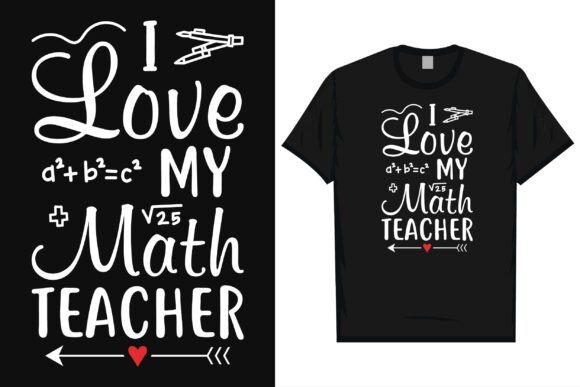
The immediate mood here is appreciation and warmth. It’s not a generic graphic; it’s a specific, heartfelt message. The layout feels balanced, with the central sentiment clear and the supporting elements—likely the classic school-themed icons—acting as decorative accents rather than overpowering clutter. This visual personality is friendly, approachable, and instantly recognizable. It doesn’t scream "commercial"; it whispers "personalized gift." For an embroidery designer, this tells me it naturally belongs to projects with a story: a custom tote bag for a teacher's end-of-year gift, an embroidered pillow cover for a child’s room, or a boutique-quality apron for that special educator.
The Real-World Embroidery Scenario: A Teacher’s Tote
Let’s walk through a typical use case. Imagine you’re preparing a custom embroidered tote bag as a holiday gift from a class. You’ve chosen a sturdy canvas fabric. You hoop up I Love My Math Teacher Elementary Tshirt. What happens?
The success hinges on stitch clarity. The lettering, presumably the core of the design, needs clean satin stitches or a crisp running stitch outline to read well from a distance. The decorative elements, if there are small calculators or apples, require careful attention to stitch density so they don’t become puffy blobs on a textured fabric like canvas. On a tote, this design elevates a simple bag into a meaningful, handmade product. It increases perceived value because the embroidery feels intentional and well-matched to the item's purpose.
Where This Design Amplifies Your Project
This embroidery file isn’t just for t-shirts. Its clear, thematic appeal makes it a versatile design asset for countless projects.
- Custom Apparel: Sweatshirts and polo shirts for school events offer a stable base.
- Gift Items: Embroidered tea towels, pillow covers, or blankets become cherished keepsakes.
- Small Shop Merchandise: For Etsy sellers or craft fair vendors, it’s a ready-made concept for holiday embroidery or back-to-school seasons.
- Personalized Products: As an embroidered patch, it can be applied to caps, backpacks, or baby clothes (like a junior-size hoodie), adding a boutique touch.
- Commercial Embroidery: For a small business creating gifts for local schools, it offers a professional, license-ready design (always confirm licensing before selling finished items) that builds customer trust through its authentic theme.
The Careful Considerations: Fabric and Scale
Now, the practical designer notes. No design is perfect for every scenario. Here’s where I would advise caution with I Love My Math Teacher Elementary Tshirt.
Small hoop sizes could be a challenge. If the design has intricate details or tiny lettering, scaling it down for a baby item or a cap’s curved surface might lose clarity. On thin or stretchy fabric like a basic tee, robust stabilizer is non-negotiable to prevent puckering, especially in any dense fill stitch areas.
Dark fabric demands a thoughtful thread color contrast plan. A white or bright yellow satin stitch might pop, but you must test it. Textured fabrics like fleece on a blanket can hide fine details, so a slightly simplified version might be preferable. For products needing frequent washing, such as kitchen towels or aprons, ensure your thread choices and stitch density are robust enough to withstand wear.
Affecting Appeal and Engagement
When stitched well, this design directly boosts visual appeal and buyer engagement. It tells a complete story on the product. A customer looking at an embroidered sweatshirt doesn’t just see a decoration; they see a sentiment they can connect with. This enhances giftability and recognition. For a creative entrepreneur, using it consistently across a line of teacher-themed products—totes, aprons, towels—builds brand consistency and a handmade presentation that feels curated, not random.
Essential Embroidery Designer Notes Before You Hoop
Before running this machine embroidery design for a client project or your own craft business inventory, do this:
- Test on Scrap Fabric: Always stitch it out on a scrap of the actual fabric you’ll use. Check for thread tension issues and the true look of small details.
- Review Stitch Density: Look for areas that might be too dense for lightweight fabrics or too sparse for thick materials like sweatshirt fleece.
- Confirm Hoop Size: Match the design’s dimensions to a hoop that gives you stability without forcing a resize that distorts elements.
- Check Color Contrast: Run mental mockups. How will it look on a white baby bodysuit versus a dark navy cap? Test it in digital black and white mockups to judge form alone.
- Inspect Lettering and Corners: If “Math Teacher” is in a script font, check how the satin stitch handles tight corners. This is crucial for stitching clarity.
- Understand Its Use: Verify whether this digital embroidery file is intended for both personal and commercial projects. This is the bedrock of selling finished products or digital product previews safely.
In essence, I Love My Math Teacher Elementary Tshirt as an embroidery design offers a strong, emotive foundation. Its value isn’t just in being a graphic; it’s in being a well-conceived theme that, when stitched with care onto the right product, transforms a simple item into a specific, appreciated piece. It’s a designer’s tool for creating connection, not just decoration.