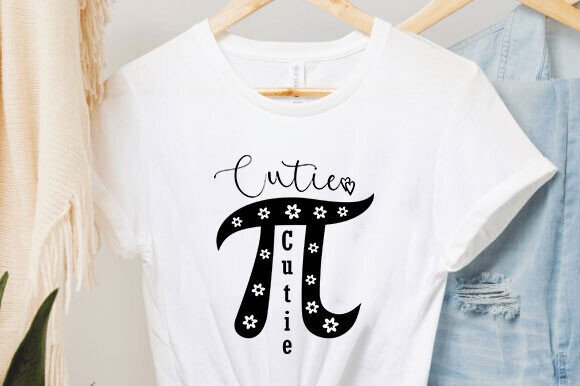
The Math Teacher Cutie Pi SVG: A Review for Embroidery
When you’re looking at embroidery designs for your next project, whether it’s for a client or your own shop, the first impression is everything. The Math Teacher Cutie Pi SVG caught my eye immediately. It’s a clever, warm design that blends a classic mathematical symbol with a friendly, almost whimsical personality. The ‘Cutie Pi’ twist gives it a lighthearted mood that feels perfect for personalized gifts and custom apparel, rather than just a straightforward graphic. For an embroidery designer, that’s a promising start—it suggests the design has character, which translates well into a handmade product.
Where This Design Finds Its Natural Home
Based on the description, this is pitched for t-shirts and mugs, but its real potential in embroidery is much broader. I can immediately picture this working beautifully on a cozy, washed-cotton sweatshirt for a beloved teacher. The friendly theme would shine on a canvas tote bag for a college student, or as a sweet, small-scale embroidery on a baby’s knit blanket for a math-loving family. It naturally fits boutique merchandise like kitchen towels or apron pockets for a quirky, intellectual vibe. For holiday gifts—think Teacher Appreciation Week or a graduation—this design offers that perfect blend of recognition and personal touch that elevates a simple gift into something special.
A Practical Scenario: The Embroidered Tote Bag
Let’s walk through a real case. Imagine you’re preparing a custom embroidered tote bag as a gift. You’ve selected a nice, medium-weight linen canvas. Hooping it up, you’re thinking about how the Math Teacher Cutie Pi SVG will stitch out. The charm here is in the concept, but the execution will depend on the file’s detail level. The ‘Pi’ symbol itself, with its clean lines, should translate into clear satin or fill stitches beautifully. The ‘Cutie’ aspect, likely conveyed through font style or subtle embellishments, needs to be examined in the actual embroidery file. On a tote, with its relatively flat surface, you’d want to ensure any small text or decorative elements aren’t too dense, avoiding a stiff, puckered feel on the fabric after stitching.
Performance in Real-Life Embroidery Situations
For apparel like t-shirts and sweatshirts, this design’s appeal is strong. On a teacher’s t-shirt, it becomes a statement of identity and pride, likely garnering positive reactions. For baby clothes or nursery decor, scaled down appropriately, it becomes a cute, intellectual motif. As an embroidered patch, it could be versatile, applied to caps, bags, or jackets. In commercial embroidery projects for a small shop selling teacher-themed merchandise, it adds a unique, high-quality option to your lineup.
However, its performance hinges on practicalities. The description notes it’s a high-quality unique design, which is reassuring, but as an embroidery designer, you must verify the specifics yourself. Before running it on a client’s premium sweatshirt, test it on scrap fabric of similar weight and texture. Check the stitch density—particularly in any filled areas of the Pi symbol—to ensure it’s suitable for stretchy fabrics like t-shirt cotton without causing distortion. Inspect any small details or lettering for clarity; tiny, intricate running stitches can get lost or blur on textured fabrics like some blanket materials.
Where You Should Use Caution
This design, with its likely clean shapes, should generally stitch well, but there are always considerations. On very dark fabric, thread color contrast is paramount—a light, bright palette will make it pop. On curved surfaces like caps, check how the design layout adapts; a centralized, balanced motif like this often works, but you need to confirm the file’s suitability for smaller hoop sizes. Thin fabrics, like some tea towel linens, require careful stabilizer choice to support the stitches without show-through. And for products destined for frequent washing, like baby items or kitchen towels, a robust, secure stitch path with good coverage is essential for longevity, which builds customer trust in your handmade product.
How It Affects Your Project's Value and Appeal
Using the Math Teacher Cutie Pi SVG isn’t just about stitching a graphic; it’s about creating an emotional connection. A well-embroidered version on a gift elevates the perceived value. The design’s uniqueness and friendly professionalism enhance your brand consistency if you’re a crafter or Etsy seller specializing in intellectual or educator-themed goods. It boosts giftability because it feels personal and thoughtfully chosen. For buyer engagement, a clear, clean embroidered result on your product mockups or finished items makes the design instantly recognizable and desirable.
Embroidery Designer Notes for a Smooth Project
- Always, always test the embroidery file on a scrap piece of your target fabric first. This is non-negotiable.
- Review the design in black and white mockups to judge its form independently of color, and compare how it looks on both light and dark background simulations.
- Check thread color contrast. Plan your palette to complement the fabric and enhance the friendly mood.
- Use the proper stabilizer for your specific fabric—it makes all the difference in stitch clarity and fabric integrity.
- Confirm the licensing terms of this graphics file before using it for commercial embroidery projects or selling finished items. The description mentions it’s for various purposes, but clear understanding is key for your craft business.
- For small details, consider the minimum hoop size you can comfortably use without sacrificing quality.
- Remember, a design like this can work for both personal gifts and small shop merchandise, but its success depends on your embroidery execution.
The Math Teacher Cutie Pi SVG presents a lovely opportunity. It’s a design with heart and a clear niche, making it a strong candidate for your next embroidery project. By approaching it with a practical, tested methodology, you can transform this digital asset into a beautiful, durable finished product that truly resonates.