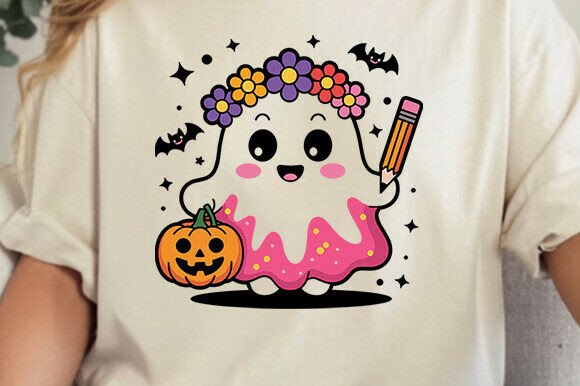
A Designer's Look at the Math Teacher SVG for Embroidery
As someone who works daily with embroidery files for client projects and my own small shop, I approach every new design with a practical eye. I'm not just looking at the graphic on screen; I'm imagining how it will look stitched onto fabric, how it will feel in a customer's hands, and whether it adds genuine value to a finished product. Today, I'm evaluating the Math Teacher SVG, Commercial Use, Vector from that exact perspective.
The First Impression: Clever, Clean, and Classroom Ready
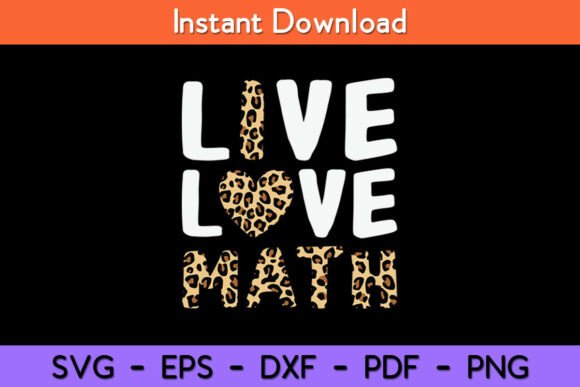
Right away, this design strikes a friendly, professional tone. It has that classic "teacher appreciation" vibe without being overly cute or childish. The layout is balanced, and the level of detail feels intentional—not too sparse, not overwhelmingly complex. This visual personality tells me it’s meant for a genuine audience: for celebrating a favorite educator, for a teacher's own proud wear, or for gifts from students and parents. It doesn’t scream; it communicates.
For embroidery, this is a promising start. The shapes are defined, which is crucial for translating a vector into clear stitch paths. I can immediately picture it on a sturdy canvas tote bag for carrying books, a soft crewneck sweatshirt for casual wear, or even a crisp apron for a classroom helper. Its theme anchors it, but its clean execution gives it flexibility.
Where This Design Shines in Real Projects
Let’s walk through a real scenario. Imagine you’re preparing a custom embroidered gift for a retiring math teacher. You want it to be lasting, professional, and something they’ll actually use. A dense, high-quality cotton sweatshirt or a structured denim apron comes to mind. The Math Teacher SVG would be a perfect fit here.
On a sweatshirt, the design would offer a focal point without overwhelming the garment. The satin stitches for the main elements would provide a pleasing texture, and the fill stitches for any solid areas would create a durable, washable surface. Stitched onto a tote bag, it becomes a functional piece of personalized merchandise—excellent for small shop products or craft fair offerings. For a simpler, quicker project, it could make a wonderful patch, appliquéd onto a backpack or a quilt.
This graphic also holds value beyond the needle. For an Etsy seller or digital product creator, it’s a clean asset for creating printable mockups. It can help visualize the final embroidery project for listings, boosting customer trust and engagement before they even buy. The commercial use license is key here, providing the confidence to use it in products you sell.
Considering Fabric, Scale, and Stitch Clarity
Embroidery isn’t just about the file; it’s about the interaction with material. With this design, placement is everything. On a curved surface like a cap, some of the longer linear elements might need careful hoop placement to avoid distortion. On thin or stretchy fabric, like a t-shirt, using the proper stabilizer is non-negotiable to keep the details crisp.
The scale is a major factor. If you reduce it too much for a small baby item or a delicate tea towel, the finer details and any text elements could become lost or muddy. It’s a design that benefits from a medium to larger hoop size, allowing the theme to be fully appreciated. I’d always advise testing it on scrap fabric first, especially if you plan to use it on a textured fabric like a blanket, where stitch definition can change.
Color contrast matters immensely. On dark fabric, you’ll need bright, opaque thread colors to make it pop. On light backgrounds, a classic navy or black thread scheme would reinforce that scholarly, clean feel. Checking it in both light and dark digital mockups before stitching is a simple step that prevents a lot of real-world frustration.
Practical Notes for the Working Designer
Before you load this embroidery file and start a project, here are my grounded recommendations.
- Test First: Always run a test stitch, even a small section, on a similar fabric to your final product. This reveals the true stitch density and how small corners behave.
- Check the Details: Inspect the SVG closely in your software. Look for any tiny enclosed spaces or ultra-fine lines that might not translate well to thread. These can often be adjusted before stitching.
- Confirm the License: The listing notes commercial use. That’s vital. But ensure you understand its scope for your specific business—selling finished embroidered items is typically covered, but always double-check.
- Think Beyond Apparel: This design has potential for nursery decor for a teacher’s new baby, personalized pillow covers, or even holiday gifts like embroidered kitchen towels for a home office. Its appeal is niche but deep.
- Match the Product to the Audience: A handmade product with this embroidery feels thoughtful. It elevates a simple item into a personalized gift. For your small shop merchandise, it adds a layer of professionalism and brand consistency if you focus on educator-themed products.
The Final Stitch: A Reliable, Niche-Ready Asset
The Math Teacher SVG, Commercial Use, Vector isn’t a flashy, all-purpose graphic. It’s a specialized, well-executed design for a specific, appreciative audience. From my designer’s viewpoint, that’s its strength. In the right embroidery project—on the right fabric, at the right size—it will stitch out cleanly and convey its message with clarity.
For the craft business owner serving the education community, the apparel decorator making custom teacher gear, or the hobbyist creating a meaningful gift, it’s a solid digital asset. It won’t do the work for you; successful embroidery always requires your skill and attention. But it provides a trustworthy, commercially usable foundation that, when stitched well, results in a finished product with genuine value and recognition. That’s the kind of design that keeps clients coming back and makes a handmade presentation truly shine.