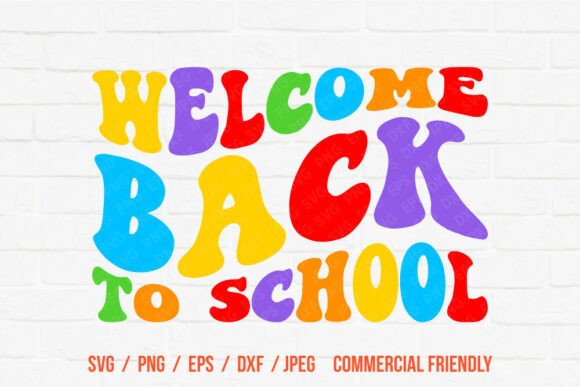
A Designer's Review: Evaluating Back to the School SVG for Embroidery
When you're preparing for client work or stocking your small shop, the first impression of a digital design is crucial. Opening the Back to the School SVG file, I immediately felt a sense of classic, cheerful nostalgia. The layout and shapes suggest a straightforward, celebratory theme perfect for the season. It doesn't try to be overly complex; it feels like a design meant to stitch cleanly and look good on a finished product. This visual personality leans toward a warm, friendly mood, ideal for projects that evoke tradition and a bit of fun.
The Natural Home for This Embroidery Design
In my mind, this design naturally belongs on items meant for gifting, personalization, and everyday use. I pictured it stitched onto a canvas tote bag for a teacher, the crisp lines of the school-themed elements standing out against the sturdy fabric. It also feels perfectly suited for a child's sweatshirt or a cozy blanket—projects where the imagery needs to be clear, recognizable, and emotionally resonant. For an Etsy seller focusing on holiday embroidery or a boutique creating custom apparel for families, this file offers a ready-made design asset with broad appeal.
Considering Real-Life Embroidery Performance
Let's walk through a real scenario. Imagine you're an apparel decorator preparing a batch of embroidered patches for a local craft fair, using this Back to the School SVG as your source. The key question is how the shapes will translate into stitches. A well-structured SVG usually means cleaner paths for your machine embroidery design software to interpret, which can lead to better stitch density and fewer jumps. On a patch, particularly, small details and corners need to be distinct. This design’s apparent simplicity suggests it should perform well, but the real test is on the machine.
For baby embroidery on a knit cap or a pillow cover, the stitch density implied by the design's areas will be important. Too dense on thin fabric can cause puckering; too light might look sparse. This is where the practical designer’s habit of testing on scrap fabric becomes non-negotiable. You’d want to see how the fill stitch areas behave and whether any potential tiny lettering retains its clarity.
Where This Design Should Be Used With Care
Not every embroidery file is universal. For the Back to the School SVG, I would proceed cautiously on a few fronts. If the design has very small, intricate elements, placing it on a curved surface like caps might require adjustments in size or stabilization. Dark fabric backgrounds demand high-contrast thread colors to prevent the design from disappearing, so a test in both light and dark mockups is wise.
Textured fabrics, like some towels or blankets, can obscure finer details. Similarly, on stretchy fabric without proper stabilizer, even a good design can distort. And for products destined for frequent washing, such as kitchen towels or kids' apparel, you'd need to ensure the stitch structure is robust enough to withstand the wear. These considerations aren't flaws of the design; they're just the realistic constraints of turning a digital embroidery file into a durable finished product.
Impact on Your Business and Customer Experience
From a commercial perspective, using a clean, recognizable design like this affects several things. Visual appeal and stitching clarity directly boost the perceived product value. A well-embroidered item made from a good source file enhances customer trust and your reputation for professionalism. For a handmade product, it supports brand consistency if the style aligns with your shop's aesthetic.
Its inherent giftability and immediate recognition as a school-themed piece can increase buyer engagement in your Etsy listings or at a craft fair. It’s a design that speaks clearly to a need or a sentiment, which is a powerful tool for creative entrepreneurs.
Practical Notes for the Working Designer
Before committing this Back to the School SVG to a client’s order or your own small shop product line, here’s my standard checklist. First, always test the design on scrap fabric first. Use a fabric similar to your final project. This reveals everything: how the thread color contrast works, whether any sections are too dense, and if small details like decorative accents stitch out cleanly.
Confirm hoop size requirements in your software—an SVG's dimensions will translate, but you need to ensure it fits your available hoops for production. Inspect small details in the file itself before converting to an embroidery project; sometimes vectors need minor cleaning for optimal stitch paths.
Crucially, check whether the design works for both personal and commercial projects. The provided description states you receive the files, but it does not specify licensing terms. You must confirm licensing before selling finished items or digital products. This is a fundamental step for any digital product seller or commercial embroidery business to avoid legal issues.
Making the Final Judgment
Evaluating the Back to the School SVG as a crafts and graphics asset for real embroidery use, my overall feeling is positive. It appears to be a design built for clean execution, fitting a wide range of projects from personalized gifts to boutique branding. Its strength lies in its thematic clarity and likely straightforward stitch construction.
The true value, however, is unlocked by the designer's diligence. Your skill in choosing the right fabric texture, applying the correct stabilizer, and testing thoroughly will determine how this file performs as a physical embroidered patch, a tote bag design, or baby clothes decoration. It’s a solid foundation. Pair it with your expertise, and it can become a reliable, appealing part of your craft business offerings or your own creative holiday embroidery projects.