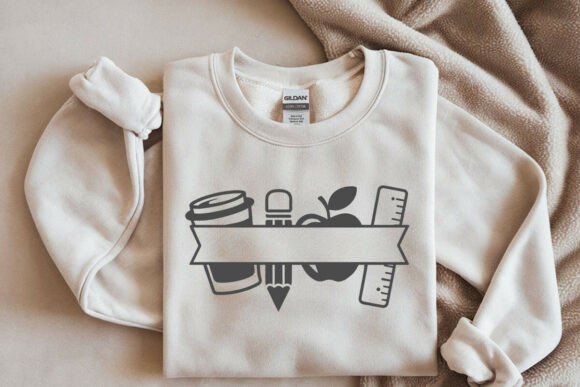
A Practical Designer's Review of the Custom Teacher SVG
As someone who stitches client projects daily, I always approach a new design with a critical eye for how it will translate from screen to thread. When looking at this Custom Teacher SVG, Teacher Name SVG, my first thought isn't about the file itself, but about the mood it will create on a finished product. This design feels inherently warm and celebratory. Its core theme is personalization, which is a powerful driver for any handmade business. The layout is built around a name, making it a central, honored element—perfect for a gift.
Where This Design Naturally Belongs
This isn't a generic graphic; it’s a dedicated framework for recognition. I immediately picture it embroidered on a soft, canvas tote bag for a teacher's first day of school, or stitched onto the corner of a cozy throw blanket as a year-end thank-you gift. The visual personality is clean and focused, which means it will carry a sense of professionalism and thoughtfulness. It naturally belongs to projects where the recipient’s identity is the star: personalized aprons, pillow covers for a classroom reading nook, or even a custom cap for a sports coach. For a small shop owner, this translates perfectly into boutique merchandise for school events or heartfelt holiday gifts.
The Real-Life Embroidery Scenario: A Teacher's Tote
Let’s walk through a real case. Imagine you’re preparing a custom embroidered tote bag for a client who wants to gift it to their child’s teacher. You load this machine embroidery file. The success here hinges on stitching clarity. How will the name, the central element, look after stitching? A clean, well-defined result will make the product feel valuable and trustworthy. If the design’s details are too intricate for the fabric texture—say a loose-weave canvas—you might lose definition. This is where practical judgment comes in. Testing on scrap fabric first is non-negotiable. You need to check thread color contrast, review the stitch density, and confirm your hoop size can accommodate the layout without crowding.
Performance Across Different Projects
This design’s strength is its versatility, but that requires mindful application. For custom apparel like sweatshirts or t-shirts, consider the fabric. On stretchy fabric, a dense fill stitch area might distort; proper stabilizer is key. For baby clothes or delicate nursery decor, you’d want to ensure the design isn’t too heavy or bulky. Embroidered patches using this file could be fantastic, but inspect the small details and corners—will they hold up to frequent handling?
For commercial embroidery projects or a craft business producing multiple teacher gifts, consistency is crucial. This design, when stitched well, supports brand consistency for an Etsy seller specializing in personalized products. Its giftability is high because it’s inherently meaningful. However, on curved surfaces like caps, the layout might need adjustment to sit correctly. Always test on the actual garment or product type.
Where to Use It Carefully
Some situations demand extra caution. If you’re working with very small hoop sizes, the design’s scale might compress important elements, like tiny lettering. Dark fabric requires bright, high-contrast thread colors to maintain visual appeal and recognition. Layered garments, like jackets, need appropriate stabilizer choices to prevent puckering. Products that need frequent washing, like kitchen towels or aprons, benefit from a robust stitch structure—test the design’s durability on similar fabric first. The goal is a finished product that lasts, maintaining its handmade presentation and professionalism through many uses.
Affecting Customer Trust and Product Value
How a design stitches out directly affects buyer engagement and customer trust. A crisp, clear embroidery of this Teacher Name SVG on a product photo for your Etsy listing or printable mockup communicates quality. It tells a potential buyer that you’ve mastered the craft. Conversely, a fuzzy or poorly executed stitch can undermine your shop’s credibility. For digital product sellers offering this as a design asset, providing clear notes on recommended hoop sizes and fabric types based on your tests can add immense value and build trust with fellow makers.
The design boosts product value by making it uniquely personal. In a market full of generic items, a beautifully embroidered, name-specific gift stands out. It feels considered, which increases its perceived worth—both for the end recipient and for the client purchasing from your small shop.
Practical Notes for the Embroidery Designer
Before running this file for a client project, here are my grounded notes. Always test on both light and dark fabric backgrounds to plan your thread palette. Check whether the design file works for both personal and commercial projects by confirming the licensing terms—this is a critical step before selling finished items. Use black and white mockups to evaluate the layout’s balance without color distracting you. Remember, fabric texture can alter the look; a smooth polo shirt will show details differently than a textured knit sweater.
Consider the entire process: from the digital embroidery file on your screen to the physical embroidered patch or sweatshirt embroidery. Your job is to bridge that gap flawlessly. This Custom Teacher SVG provides a solid framework. Its success in your craft business or as a holiday embroidery gift hinges on your practical skill and these realistic preparations. It’s a design that, when executed with care, turns a simple graphic into a cherished, professional-looking finished product.