Evaluating One Thankful Teacher for Embroidery Projects
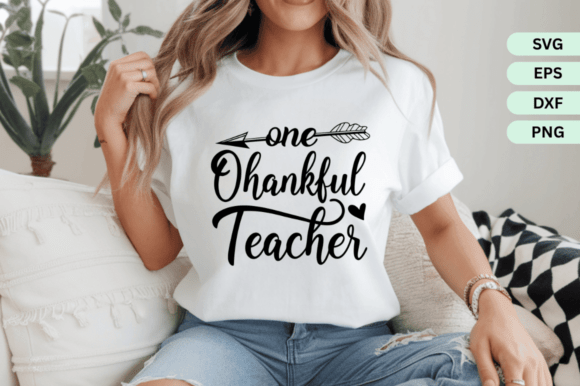
When you’re looking at a new embroidery file for real-world use, especially for client gifts or your shop inventory, it’s not just about the digital preview. You need to think about how it will look after stitching, how it feels in a finished product, and whether it’s going to resonate with the person receiving it. I recently took a close look at the One Thankful Teacher SVG, PNG design with exactly that mindset, imagining it stitched onto a custom sweatshirt or tote bag for a real client.
The First Impression: Warm and Readable
The design immediately strikes a warm, appreciative tone. The layout, with its central focus on the text, feels balanced and clear, which is crucial for embroidery. There’s a friendly personality here—it’s not overly ornate or formal. This tells me it’s a design meant to feel heartfelt, which is perfect for a personalized gift. For an embroidery project, that clarity is gold. Detailed, fussy scripts can get lost in stitching, but this appears readable, suggesting it will translate well into satin stitches or clean fill stitches for the lettering.
Where This Design Naturally Belongs
In my hands, this design feels destined for projects where gratitude is the core message. Picture a cozy, embroidered tote bag for a favorite educator, a pillow cover for a teacher’s lounge, or a simple, heartfelt tea towel for a kitchen. It’s also a strong candidate for custom apparel like sweatshirts—something wearable and cherished. For a craft business, this could be a staple for the back-to-school or end-of-year season, easily adapted into an embroidered patch for a backpack or a sweet motif on a baby blanket intended as a gift from a thankful parent.
Performance in Real-Life Embroidery Situations
Let’s get practical. How would this file behave on the machine and on various products? For a standard embroidery project like a sweatshirt, the design’s apparent simplicity is a benefit. It likely won’t require an enormous hoop size, making it efficient for smaller hoops. On a tote bag made from canvas or cotton, the stitches should hold up well to use. I’d be cautious, however, on very stretchy fabrics or thin materials without proper stabilizer, as any text-based design can distort if the foundation isn’t secure.
For baby clothes or delicate aprons, you’d want to consider stitch density. A denser fill might be too stiff for soft, flexible fabrics. This is where testing on scrap material becomes essential. On curved surfaces like caps, the layout needs to be centered carefully to avoid the small lettering at the edges getting lost on the seam curvature. For commercial embroidery runs or small shop merchandise, its clean look lends itself to professional, consistent results across multiple items, which builds customer trust in your handmade products.
A Real Scenario: Crafting a Boutique Gift Tote
Imagine a client orders a custom gift for their child’s teacher. They want a linen tote bag with this design embroidered. My first thought is thread color contrast. Against natural linen, a deep navy or a classic red for the text would pop beautifully, enhancing the visual appeal and perceived value. The design’s mood aligns perfectly with a holiday gift or end-of-year thank-you, making the finished product feel thoughtful and specific, not generic. This directly impacts giftability and buyer engagement for an Etsy seller—customers see a product that tells a clear, emotional story.
Caution Areas and Designer Notes
No design is universally perfect for every application. With One Thankful Teacher, the areas requiring careful handling would likely be the smaller textual details. On very dark fabric backgrounds, you’d need to ensure your thread colors are bright enough to maintain stitching clarity. If there are any tiny decorative accents in the file, they might not stitch cleanly on very textured fabrics like some blankets.
Here are my practical notes for anyone using this as an embroidery file:
- Always test the design on scrap fabric first, mimicking your final product’s material.
- Check how it looks in both black and white digital mockups to gauge its strength on light and dark backgrounds.
- Confirm your hoop size can accommodate the design without needing to resize it excessively, which can alter stitch integrity.
- Inspect the small details in your software preview. Are there any corners or spaces too tight for a clean satin stitch?
- Use proper stabilizer for the fabric type; this is non-negotiable for a crisp result.
- Most importantly, confirm the licensing before selling finished items or using it in commercial embroidery projects. Ensure your use aligns with the terms provided with the file.
The Impact on Your Craft Business
From a business perspective, a design like this adds value through its specificity. It helps you cater to a niche—teacher appreciation gifts—which can strengthen your brand consistency if you focus on gratitude or educational themes. For digital product sellers, it serves as a versatile design asset for creating printable mockups or previews. When stitched well, it elevates the handmade presentation, making your small shop product look considered and professional.
Ultimately, One Thankful Teacher SVG, PNG design presents itself as a solid, emotionally resonant graphic for embroidery. Its strength lies in its straightforward, warm message and a layout that seems engineered for clean stitching. It won’t solve every project need—you’ll need to pair it with the right fabric, thread, and technique—but for the right project, it will stitch up into a product that feels genuinely thankful, which is exactly what a good gift should do.