Evaluating the Apple Learn SVG for Real Embroidery Projects
When a new design file lands in my library, I’m not just looking at the preview on screen. I’m thinking about how it will translate into thread and fabric, what kind of story it tells when stitched, and where it fits in the real world of client projects and shop merchandise. The Apple Learn SVG is one of those designs that immediately sparks a practical evaluation.
The Immediate Mood and Personality
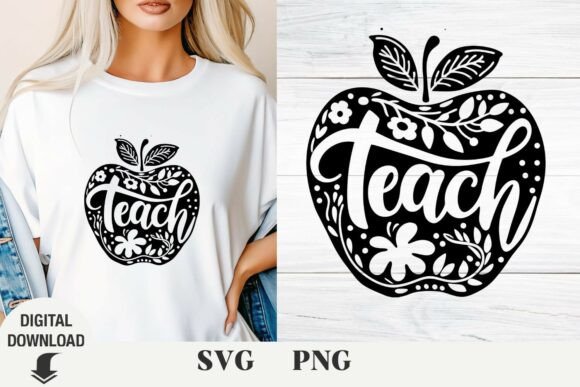
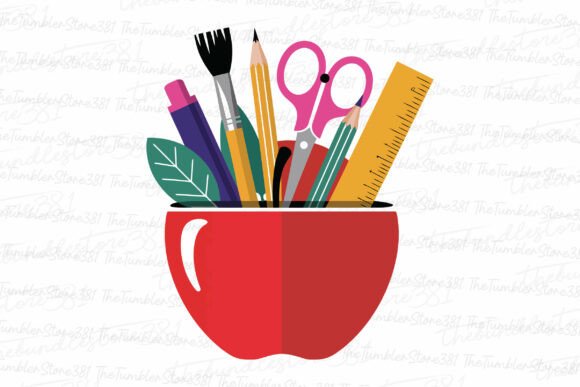
The first impression of this design is a classic, clean, and friendly one. The apple motif paired with the word “learn” creates an immediate association with education, growth, and nurturing—a warm, slightly nostalgic vibe. The layout feels balanced, and the level of detail suggests it’s meant to be crisp and clear, not overly intricate. This isn’t a loud, flashy design; its visual personality is more thoughtful and gentle. It naturally belongs to projects meant for teachers, students, new parents, or anyone celebrating a milestone of knowledge.
Where This Design Finds Its Home in Embroidery
Let’s walk through a real scenario. I’m preparing a custom order for a boutique that wants embroidered tote bags as teacher appreciation gifts. The Apple Learn SVG comes to mind instantly. On a sturdy canvas tote, using a crisp satin stitch for the apple outline and a clean running stitch for the text, this design would look professional and heartfelt. It’s the kind of finished product that feels personal without being overly sentimental, increasing its perceived value as a handmade gift.
Beyond that specific case, this machine embroidery design performs beautifully across a range of real-life applications. For custom apparel, think of a soft cotton sweatshirt for a graduate or a simple t-shirt for a preschool teacher. It would be charming on baby clothes or nursery decor items, like a blanket corner, celebrating a “learning” theme. As an embroidered patch, it could be applied to backpacks or aprons. For small business merchandise, it’s a solid choice for Etsy sellers focusing on educational gifts, personalized products for educators, or craft fair items like tea towels and pillow covers.
Its clarity makes it excellent for digital product previews and printable mockups, helping craft business owners showcase their potential finished products. For commercial embroidery projects, like a series of caps for a school event or kitchen towels for a fundraiser, the design’s recognizability and straightforward theme support brand consistency and buyer engagement.
Caution Zones and Careful Application
While the design’s simplicity is a strength, it requires thoughtful execution in certain situations. On very small hoop sizes, the lettering in “learn” could become problematic if the stitch density is too high, leading to muddled details. I’d be cautious using it on highly textured or stretchy fabrics without the correct stabilizer, as the clean shapes might distort.
Embroidering on dark fabric demands careful thread color contrast planning—a bright red apple on black needs a bold pop. On curved surfaces like caps, the layout should be tested to ensure it sits well without awkward gaps. The corners of the apple leaf and stem are small details; on thin fabric or products needing frequent washing, like baby items, you’d want to ensure those areas are secure to maintain stitching clarity over time.
How This Design Impacts Your Project's Success
Using the Apple Learn SVG well affects more than just aesthetics. It boosts visual appeal through its balanced composition, which in turn enhances the perceived product value. A neatly stitched version on a tote bag or sweatshirt builds customer trust in your craftsmanship. Its giftability is high—it feels specially made for a purpose. For creative entrepreneurs, it supports a professional presentation when paired with quality materials, and it can become a reliable design asset for a niche, like educational or teacher-themed products.
Practical Notes from the Embroidery Desk
Before committing this embroidery file to a final project, my standard practice applies. Always test on scrap fabric first, ideally a similar material to your target project. This lets you review the actual stitch density, check thread color contrast, and inspect how the small details render. Hoop size confirmation is key; make sure the design dimensions work for your intended item.
I also recommend testing it in simple black and white mockups to see how the silhouette holds up, and comparing how it looks on both light and dark fabric backgrounds in your software preview. Using a proper stabilizer for the specific fabric is non-negotiable to maintain that clean look. Crucially, since the product description notes its use for DIY projects and handmade business product lines, you must check the specific licensing before selling finished items or incorporating it into commercial embroidery projects. The description doesn’t specify exact formats or compatibility, so verifying the file types and your machine embroidery compatibility is a necessary step.
Ultimately, the Apple Learn SVG is a graphics file with solid potential in the crafts world. It’s a design that, with practical preparation and thoughtful application, can transform into an embroidered piece that resonates—a simple apple carrying a message of growth, perfectly stitched onto the fabric of everyday life.