Practical Review: The Social Studies School Embroidery Design
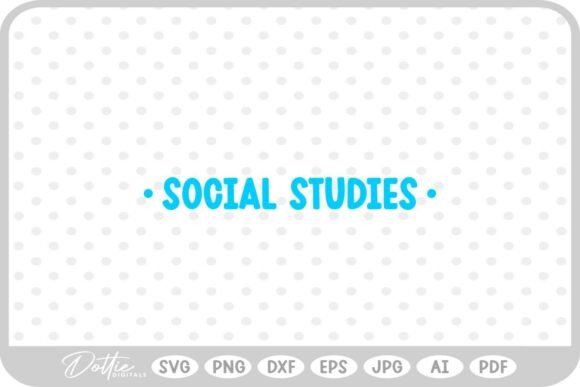
Let’s talk about the Social Studies School design. When you’re looking at a file like this, you’re not just looking at a graphic; you’re imagining it stitched out. You’re thinking about thread colors, fabric choices, and the finished product in a customer’s hands. As a designer who uses these files for real client work and my own small shop products, I approach every new design with a practical eye. Here’s my honest take on where this one shines and where you need to plan carefully.
The First Impression: A Classic, Clean Statement
The mood here is immediately clear and academic, but with a friendly, almost nostalgic charm. The layout is straightforward, which is a huge advantage for embroidery. You don’t have overly intricate, tiny details that might get lost in stitching, but there’s enough character to feel specific and purposeful. This isn’t a flashy, trendy graphic; it’s a solid, reliable design that speaks to a theme. Its visual personality is ideal for projects that need to feel trustworthy, recognizable, and giftable—think a teacher’s appreciation present or a personalized item for a student.
The Real-World Embroidery Scenario: A Custom Embroidered Tote Bag
Picture this common project: a client wants a custom tote bag for a social studies teacher. They want it durable, professional, and something the teacher will actually use. The Social Studies School design comes to mind immediately. Its clear lettering and iconic globe element translate beautifully into a medium like a tote. The larger, open areas of the design mean you can use a nice fill stitch without worrying about excessive density that could make the bag stiff. On a cotton canvas tote, with good stabilizer, this would stitch out cleanly, creating a product that feels high-value and thoughtfully made. The same logic applies to a sweatshirt, an apron, or a pillow cover for a classroom—items meant for regular use that still look crisp.
Where This Design Performs Exceptionally Well
For larger, flat surfaces, this design is a great fit. It’s perfect for that boutique merchandise or Etsy listing where you want the design to be the clear focal point.
- Custom Apparel: On sweatshirts, t-shirts, or hoodies, the theme is instantly understandable, adding perceived value.
- Home Goods: Pillow covers, tea towels, or simple nursery decor for a teacher’s home have that handmade presentation.
- Gifts & Personalized Products: As a holiday gift or wedding gift for an educator, it’s recognition personified.
- Small Business Merchandise: For a craft business focusing on academic themes, it provides brand consistency across different products.
- Printable Mockups & Digital Previews: The clean lines make it easy to create attractive mockups for your shop listings.
Caution Areas: Planning for Stitching Clarity
No design is universal, and a professional review means pointing out where extra care is needed. The strength of this design is its clarity, but that can be challenged in certain applications.
- Small Hoop Sizes: If you try to shrink this down dramatically for a tiny patch or a baby item corner, the lettering could lose its definition. Always test on scrap first.
- Textured or Stretch Fabrics: On a loosely knit sweater or a textured cap, the clean lines might need extra stabilizer to prevent distortion.
- Dark Fabric Backgrounds: Contrast is key. You’ll need to carefully review your thread color choices—a white or light satin stitch for the lettering against a dark navy sweatshirt would pop beautifully, but you must check that density.
- Products for Frequent Washing: On something like a kitchen towel that gets washed often, consider a slightly denser fill stitch for the main elements to ensure longevity.
The globe element’s potential decorative accents and any detailed corners should be inspected in your embroidery software before stitching. A running stitch outline might work better than a fill in some of these areas on certain fabrics.
How This Design Impacts Your Project’s Success
Using a design like this isn’t just about putting stitches on fabric. It affects the entire perception of your work.
Visual Appeal & Customer Trust: A well-executed, classic design feels professional. It tells your customer you chose something appropriate and lasting, not just trendy. This builds trust for repeat business.
Giftability & Buyer Engagement: For an Etsy seller or creative entrepreneur, this design has a clear target audience. That makes your product description easier and helps a buyer instantly see the item as a perfect gift, increasing engagement.
Craft Fair & Boutique Readiness: At a craft fair, an embroidered tote or cap with this design stands out as a niche, thoughtful product. It speaks directly to a community—educators, students, enthusiasts—which is more powerful than a generic graphic.
Practical Notes from the Embroidery Desk
Before you run this file on your machine for a client project, here’s my checklist. These steps save time, material, and ensure your finished product is something you’re proud to sell or give.
- Test on Scrap Fabric First. Use the same fabric and stabilizer you plan for the final project. Check for thread color contrast and stitch clarity.
- Review the Stitch Density in Your Software. See how the software interprets the design. Adjust if areas seem too dense or too sparse for your chosen fabric.
- Confirm Your Hoop Size. Don’t assume. Make sure the design size fits comfortably in your hoop for stable embroidery.
- Inspect Small Details. Zoom in on the file preview. Are there any tiny intersections or corners that might need a slight adjustment for clean stitching?
- Test in Black and White Mockups. See how it looks as a simple graphic. This helps visualize it on both light and dark fabric backgrounds.
- Use Proper Stabilizer. This is non-negotiable for professional results, especially on stretchy or thin fabric.
- Check Licensing Before Selling. The product description mentions multiple file formats for cutting machines. For embroidery, ensure you understand the license terms. Can you sell the finished embroidered items? Always confirm this before listing a product commercially.
The Final Verdict for Makers and Entrepreneurs
The Social Studies School design is a solid, reliable graphics asset for your embroidery project library. It’s not overly complex, which makes it adaptable, but it carries enough thematic weight to feel special. It’s ideally suited for projects where clarity and recognition are the goal—personalized gifts, small shop merchandise, and custom apparel with a specific audience. Your success with it will come from pairing it with the right project: a sturdy tote bag, a cozy sweatshirt, a decorative pillow, not a delicate, tiny patch on a stretchy fabric.
As a designer reviewing it for real use, I’d confidently select it for a client wanting a teacher gift or for my own craft business creating a line of academic-themed goods. Its practicality is its greatest strength. Remember, the magic happens in your preparation—testing, planning, and choosing the right fabric and thread. With that care, this design will stitch out into a finished product that feels both handmade and professionally crafted, exactly what builds a loyal customer base for any creative entrepreneur.